Search Coloring Pages
19 Numbers 1-10 Flowers and Counting Coloring Pages – Free Printable Preschool Math Sheets
Last Updated: June 8, 2026
Flowers Numbers Coloring Pages
Numbers 1-10 Flowers and Counting Coloring Pages: A Garden of Early Math Fun 🌸🔢🎨
Imagine stepping into a garden where every flower helps your child learn to count. That’s exactly the feeling behind this collection of numbers 1-10 flowers and counting coloring pages. From one radiant red rose to ten blooming peonies, each page pairs a large, easy-to-trace number with a specific number of beautiful flowers, turning a simple coloring session into a delightful early math adventure. 🌹➡️🔟
Whether you’re a parent who wants to build number confidence before kindergarten, a teacher filling a math center with gentle independent work, or a caregiver looking for a screen-free activity that actually teaches something, these free printable flower number coloring sheets are ready to help. Children naturally love flowers—their bright colors, soft petals, and friendly shapes make them perfect partners for early counting. So gather the crayons, find a cozy spot, and let’s wander through a blooming world where math feels like sunshine and every page holds a new floral surprise. 🖍️🌻
✨ Where Numbers and Nature Meet: The Magic of Flower Counting
Children learn best when abstract ideas connect to things they can see, touch, and care about. A written number “5” might seem mysterious to a three-year-old, but five cute daisies smiling up from a coloring page? That makes perfect sense. Flowers bring warmth and gentleness to number practice. They don’t rush. They don’t quiz. They simply invite little fingers to color, count, and discover. 🌼
This approach is rooted in what early childhood educators call meaningful counting—linking each number to a real quantity in a context that feels natural. When a child colors three elegant tulips and counts them aloud, the number 3 stops being just a symbol. It becomes a tiny bouquet, a story, a small proud moment. And because flowers come in so many shapes and personalities, each page in this collection offers a fresh encounter. A daisy is cheerful. An orchid is graceful. A peony is lush. As children move from 1 to 10, they’re not just practicing math; they’re building a personal garden of numbers in their imagination. 🌷
📈 Why Flower Number Coloring Pages Are Blooming Across the U.S.
If you’ve been browsing preschool resources lately, you’ve probably noticed a wave of flower counting coloring pages popping up in American homes and classrooms. There are a few lovely reasons for this. First, the push for nature-based learning has grown steadily. Parents and teachers want materials that connect children to the natural world, even when they’re indoors with a crayon in hand. Flowers bridge that gap beautifully. 🌿
Second, the rise of gentle, play-based kindergarten readiness means fewer families rely on drill worksheets and more on integrated activities. A page that lets a child color four fragrant lilies while tracing the number 4 teaches counting, plant recognition, color vocabulary, and fine motor control all at once. It’s efficient without feeling like work.
Third, flowers are universally loved. They cross all backgrounds and regions. A sunflower page makes just as much sense in a sunny California classroom as in a cozy New England homeschool nook. And because these sheets are free and printable, they fit easily into busy family budgets. Add in the mental health benefits of coloring for both kids and adults, and it’s no surprise these free printable flower number coloring pages are thriving. 🌻📚
🖍️ A Walk Through the Garden: Numbers 1 to 10 with Beautiful Blooms
Let’s explore each page in the collection. Every design features a large, clear numeral, the written number word, and the exact matching count of a specific flower. The outlines are bold and friendly, with no distracting backgrounds—just pure, focused counting and coloring joy.
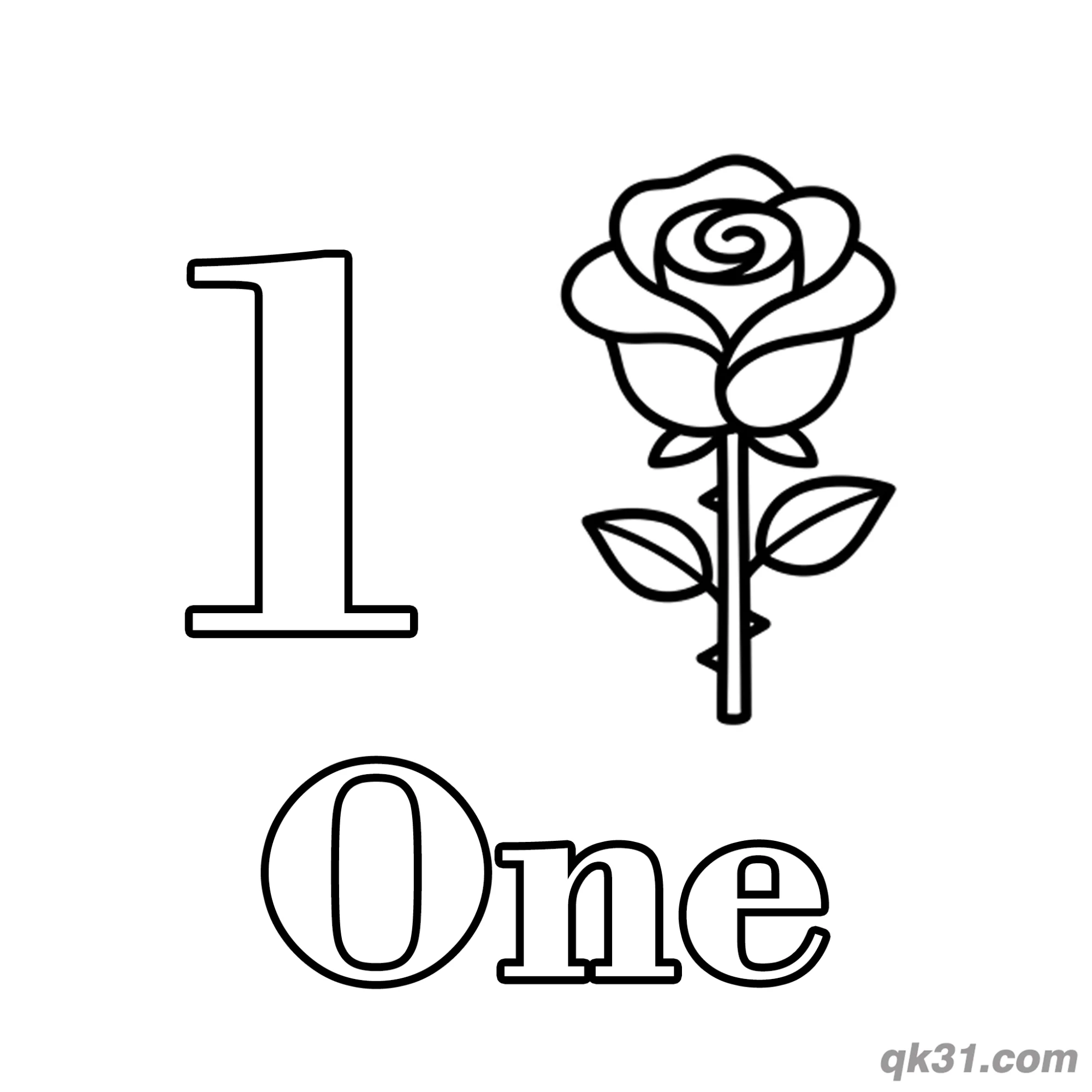
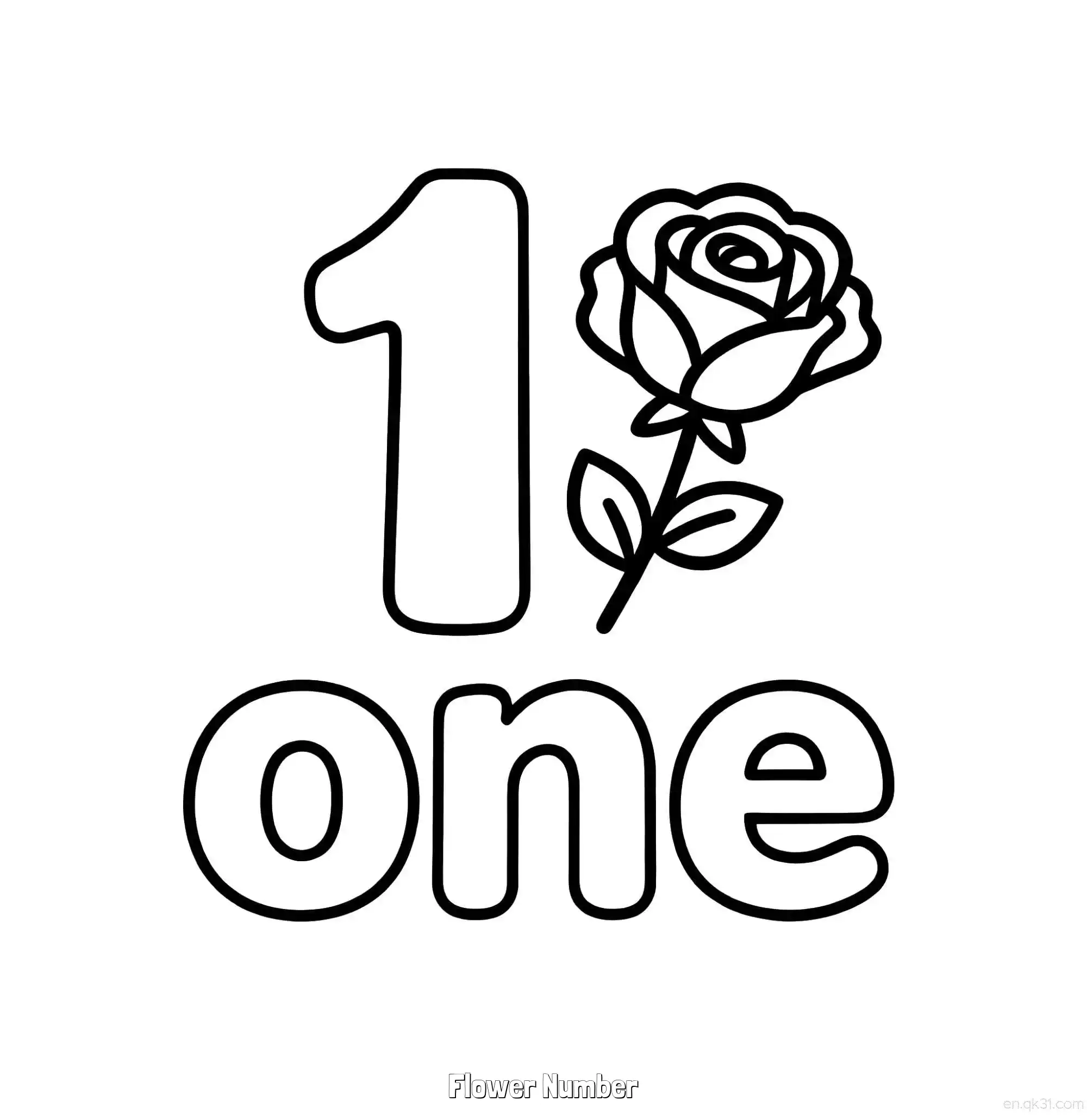
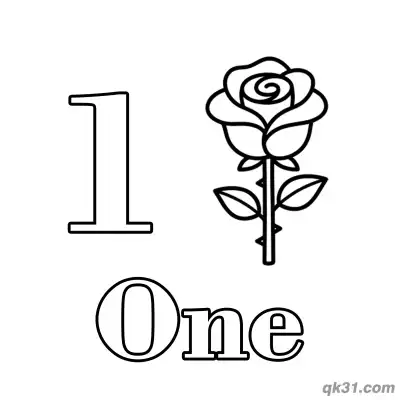
Number 1 – One Red Rose 🌹
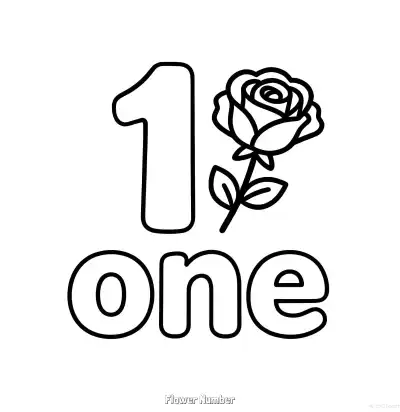
The journey begins with a single, stunning red rose beside the number 1. A rose is a flower children recognize from storybooks and gardens, and coloring just one makes the concept of “one” feel special and complete. Your little artist can use deep reds for the petals and rich greens for the stem, then trace the big number 1 with a finger. It’s a calm, confident start.
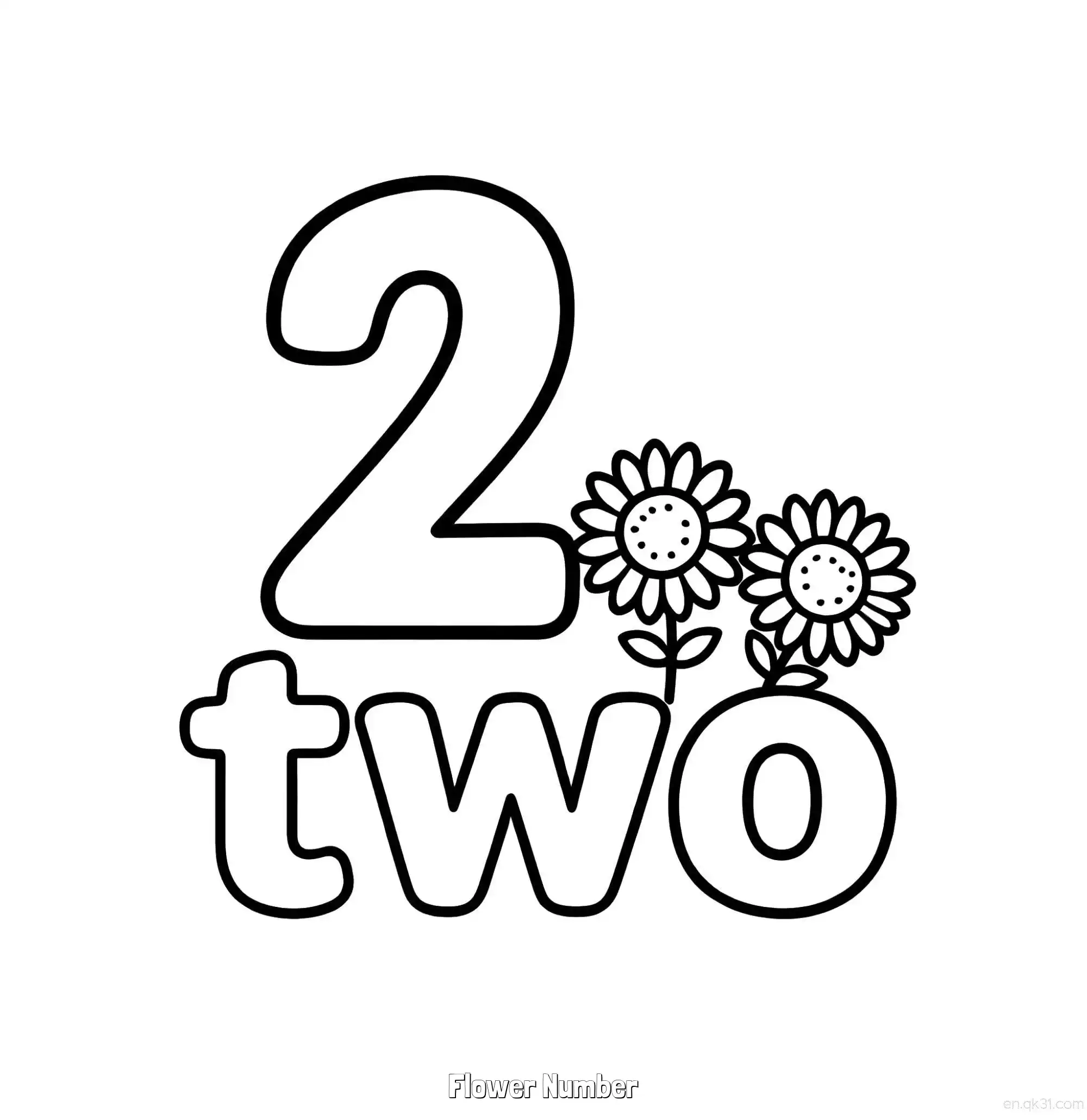
Number 2 – Two Bright Sunflowers 🌻
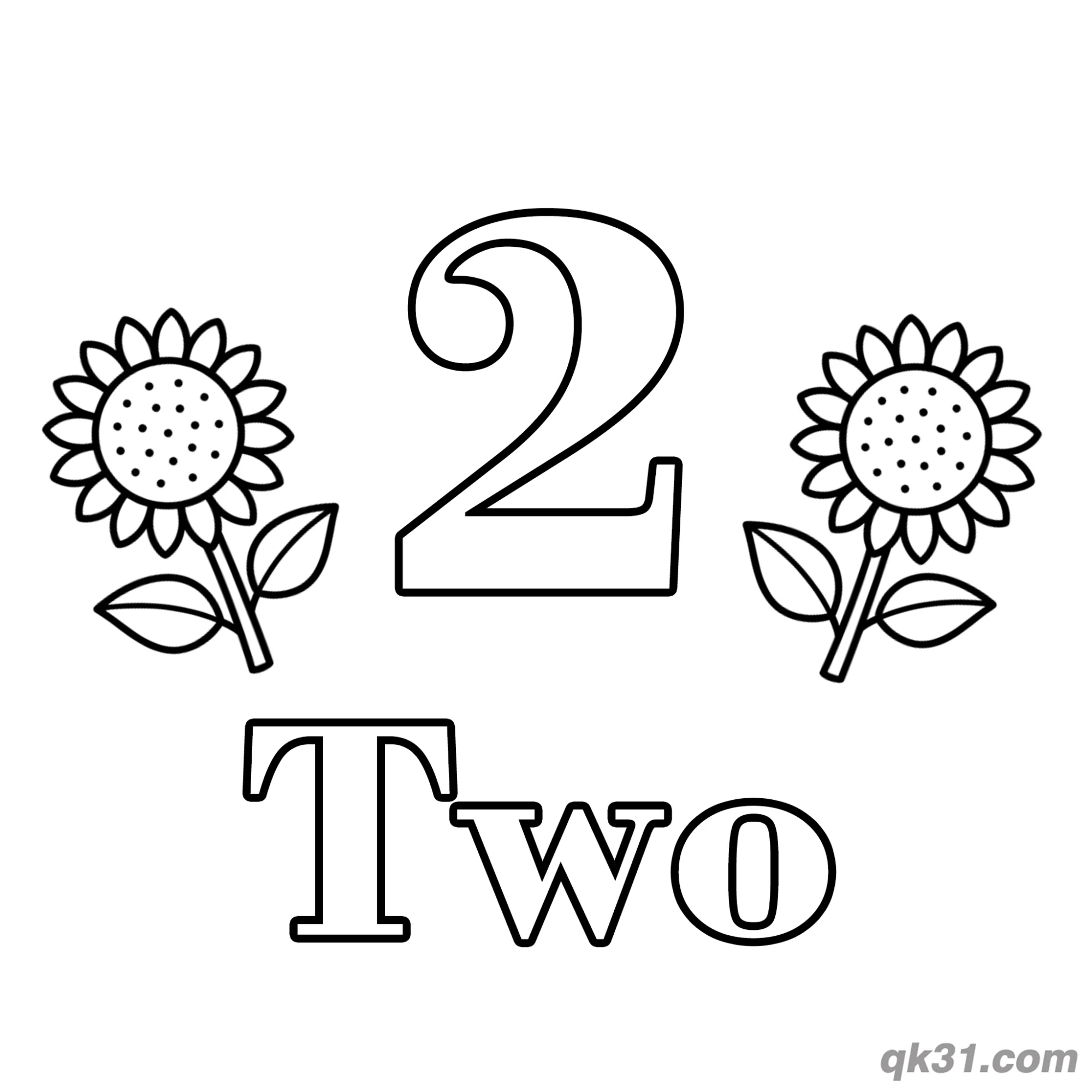
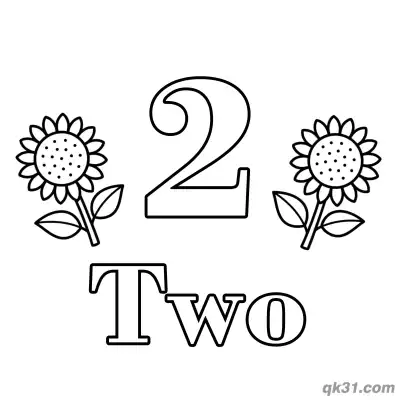
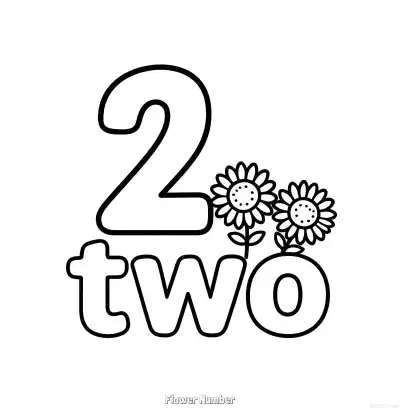
Next come two cheerful sunflowers, their faces wide open like happy suns. This page practically glows with energy. Kids love coloring sunflower petals in brilliant yellows and oranges, and the pair of flowers invites a natural conversation about “two.” Count them together: one sunflower, two sunflowers. Maybe add a blue sky background while you chat about how sunflowers turn toward the sun.
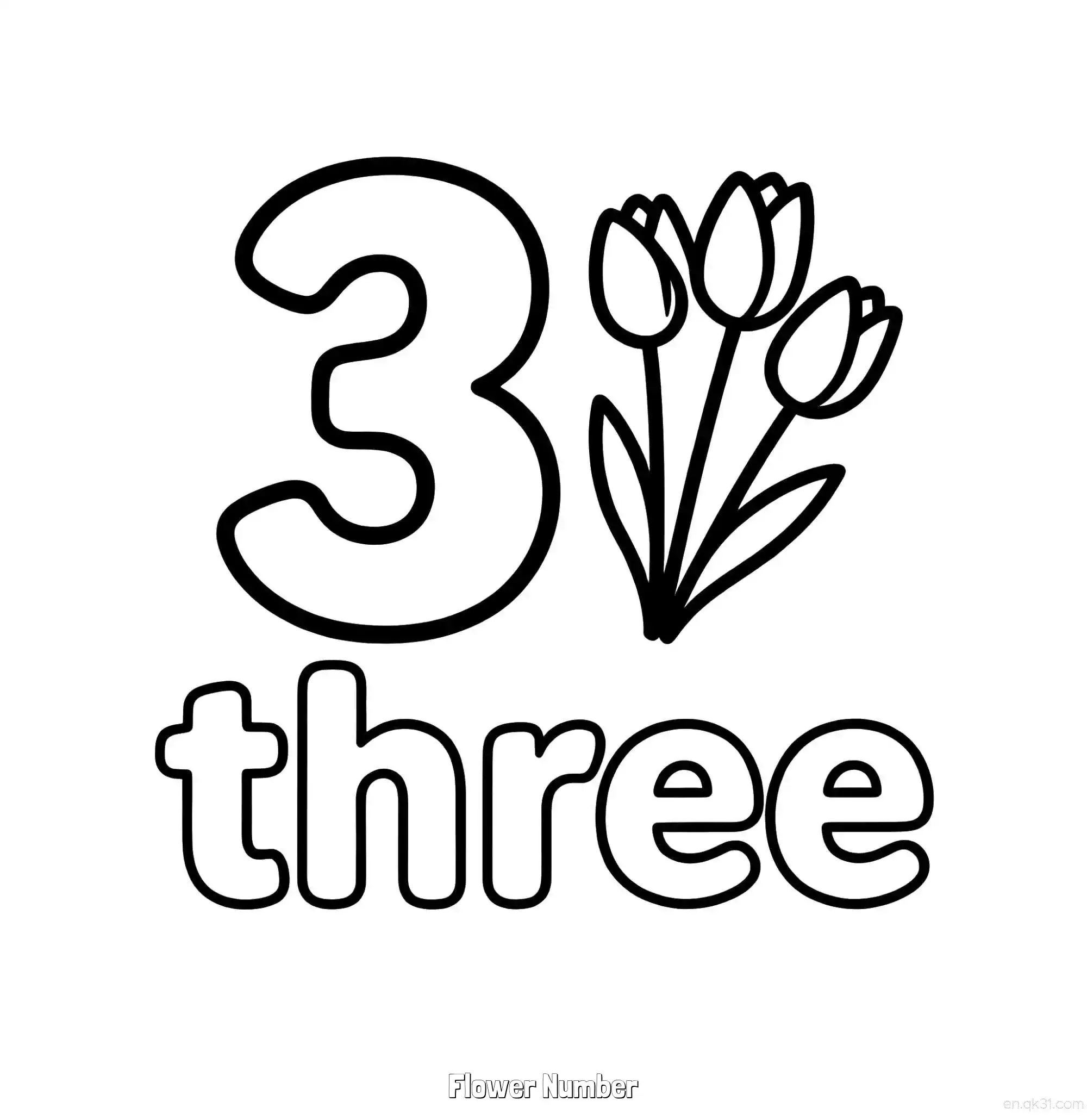
Number 3 – Three Elegant Tulips 🌷
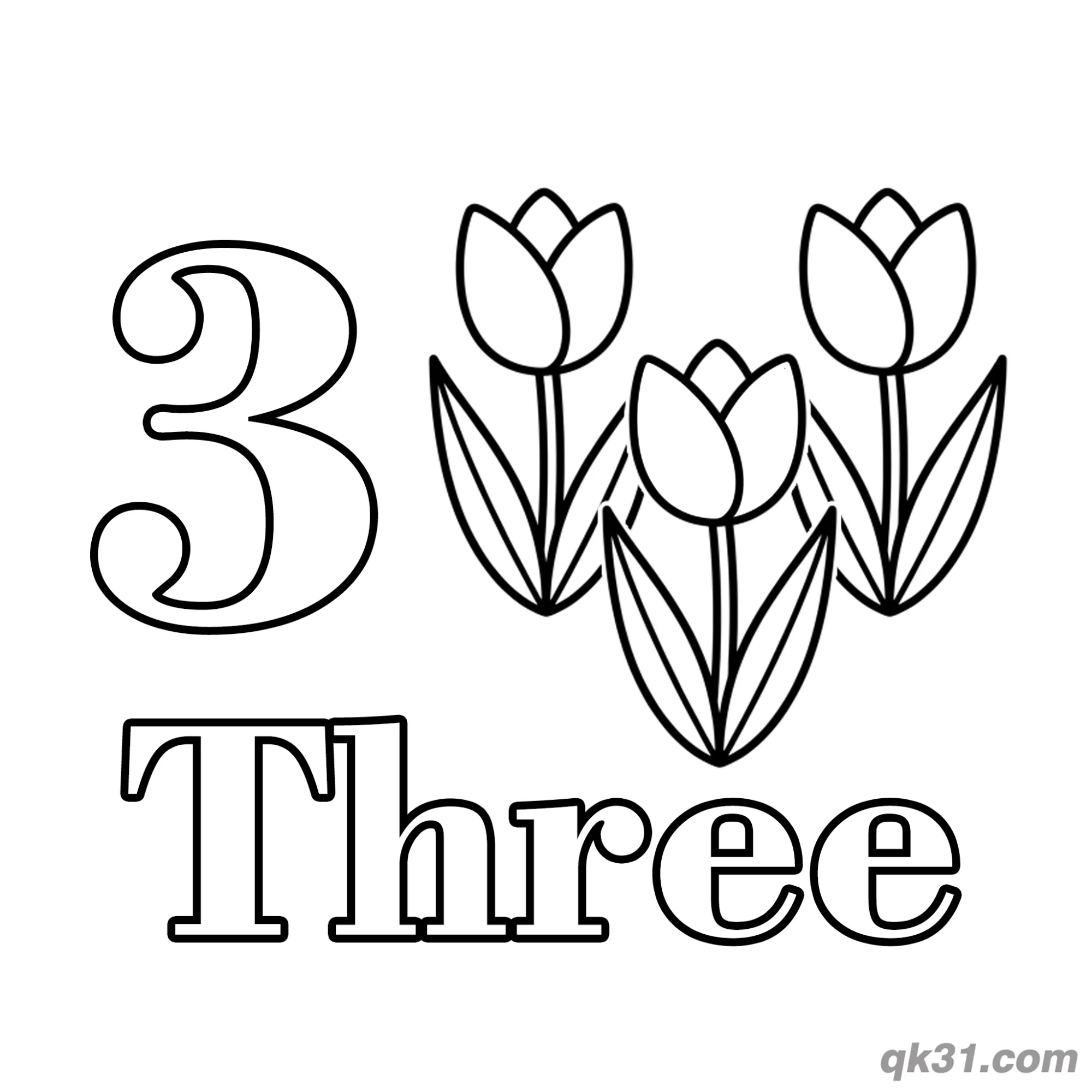
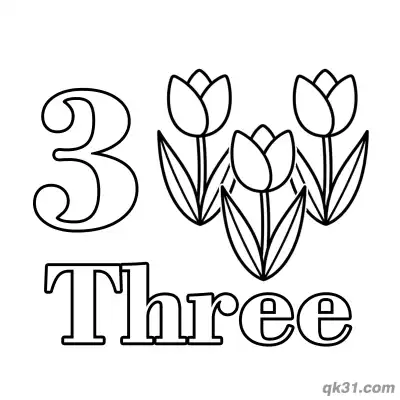
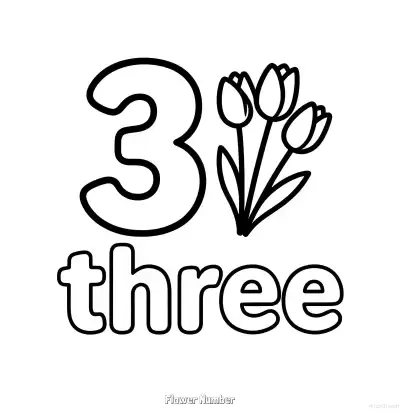
Three graceful tulips stand side by side, their cup-shaped blooms perfect for little hands learning to stay inside lines. Tulips come in so many colors—pink, purple, orange, even striped—so children get to make creative choices while reinforcing the quantity three. Ask, “Can you color each tulip a different color and still count three?” The answer will be a proud yes.
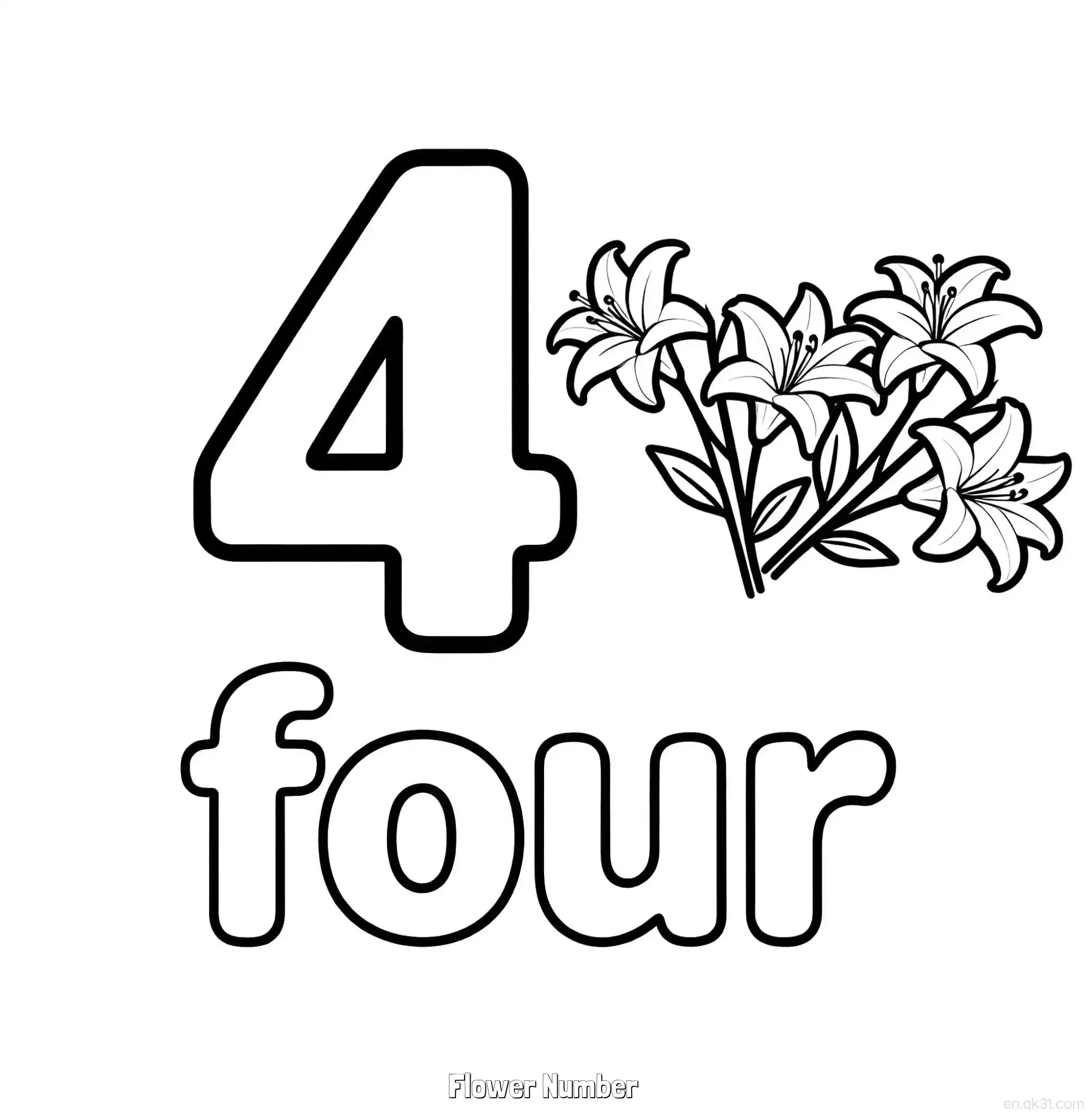
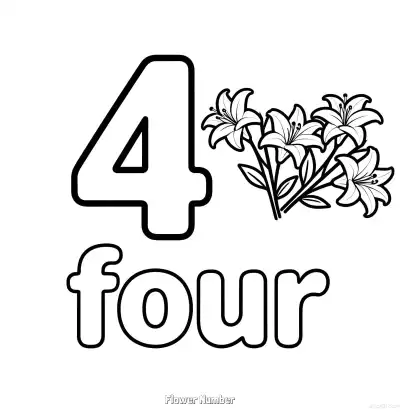
Number 4 – Four Fragrant Lilies 🌸
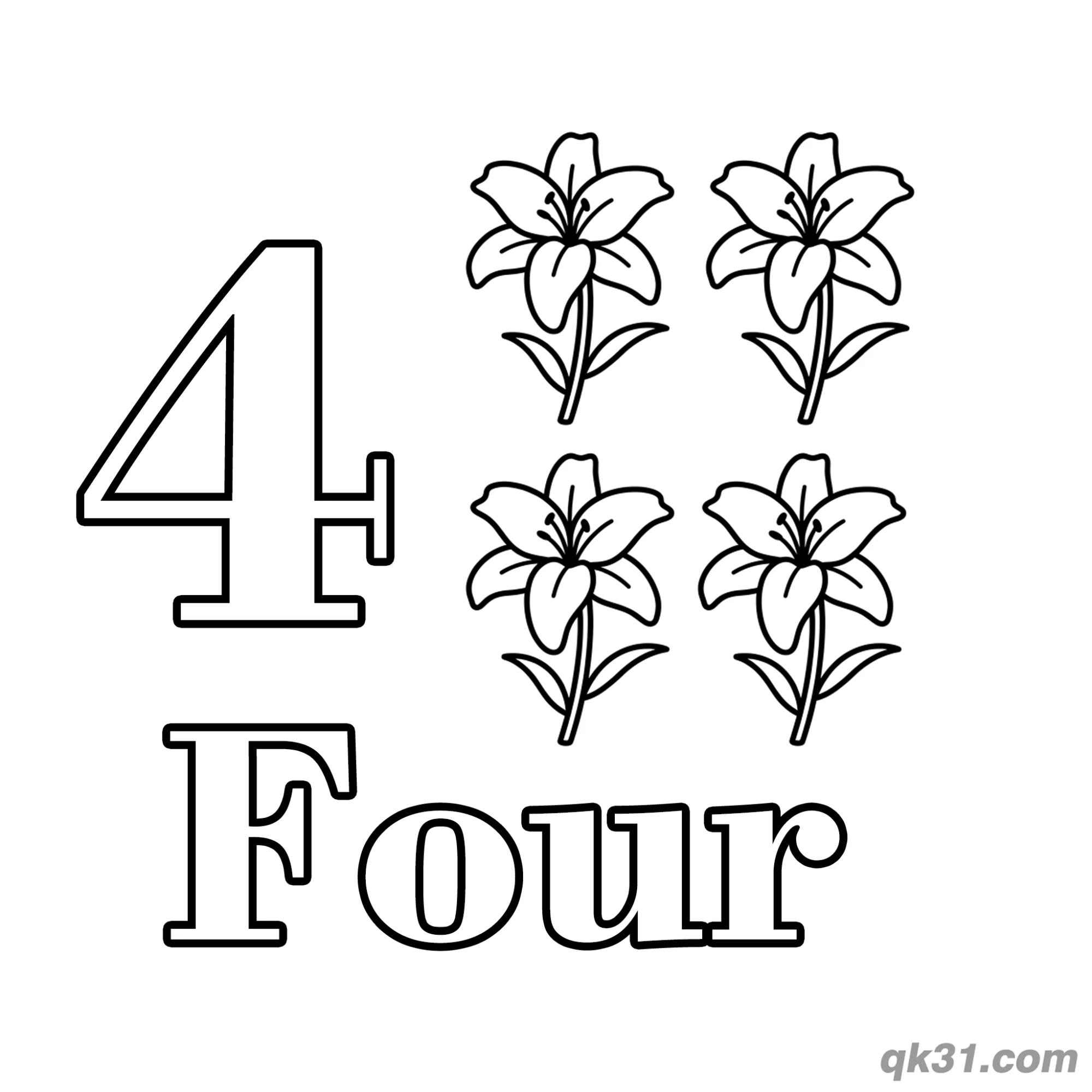
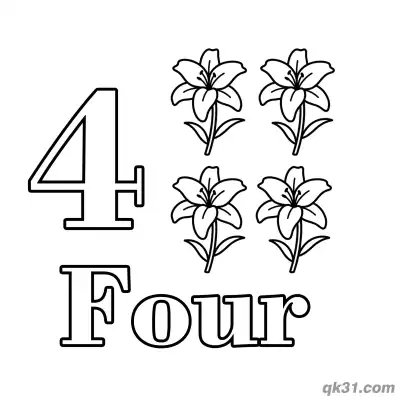
Four lilies spread across the page, their petals slightly curved and dotted with pollen details. Lilies have a gentle, calming presence, making this sheet ideal for a quiet afternoon activity. Children can practice counting to four while imagining a lovely scent drifting from the page. Soft pinks, whites, and speckled centers add a touch of realism.
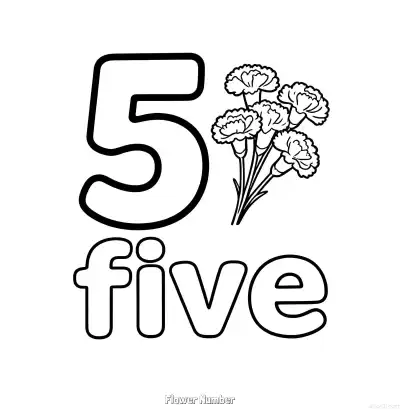
Number 5 – Five Cute Daisies 🌼
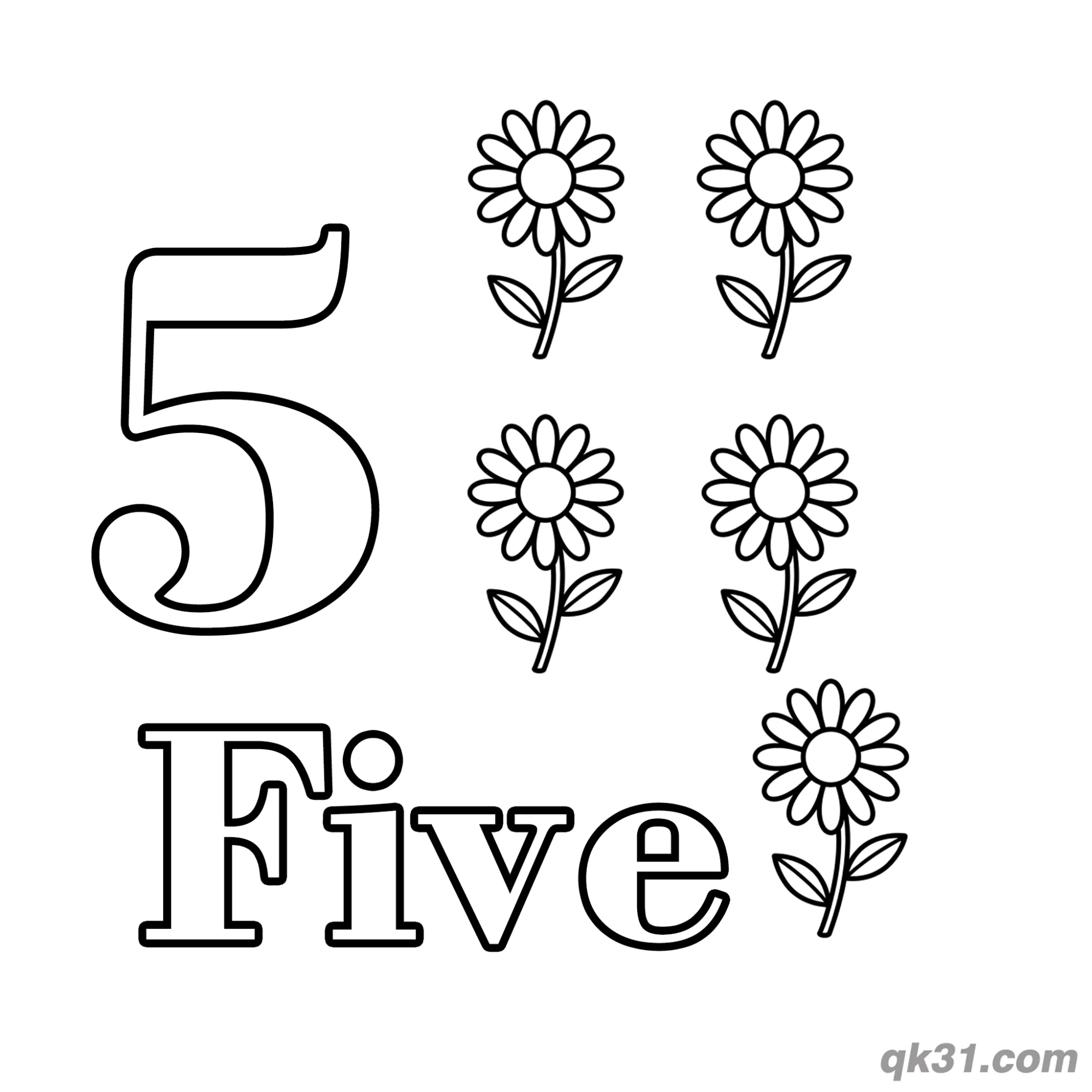
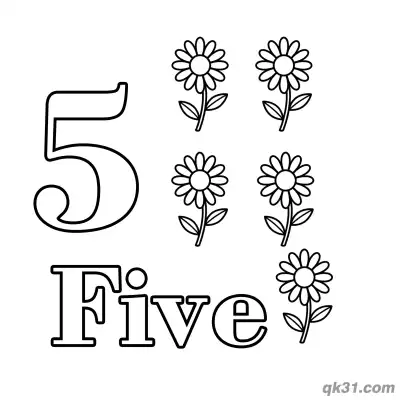
Five daisies beam up with tiny, round centers and simple, cheerful petals. Daisies are the definition of friendly, and five is a number that feels just right—not too small, not too big. This page often becomes a favorite because daisies are so easy to color and so satisfying to count. Some kids even add tiny smiling faces to the center of each flower.
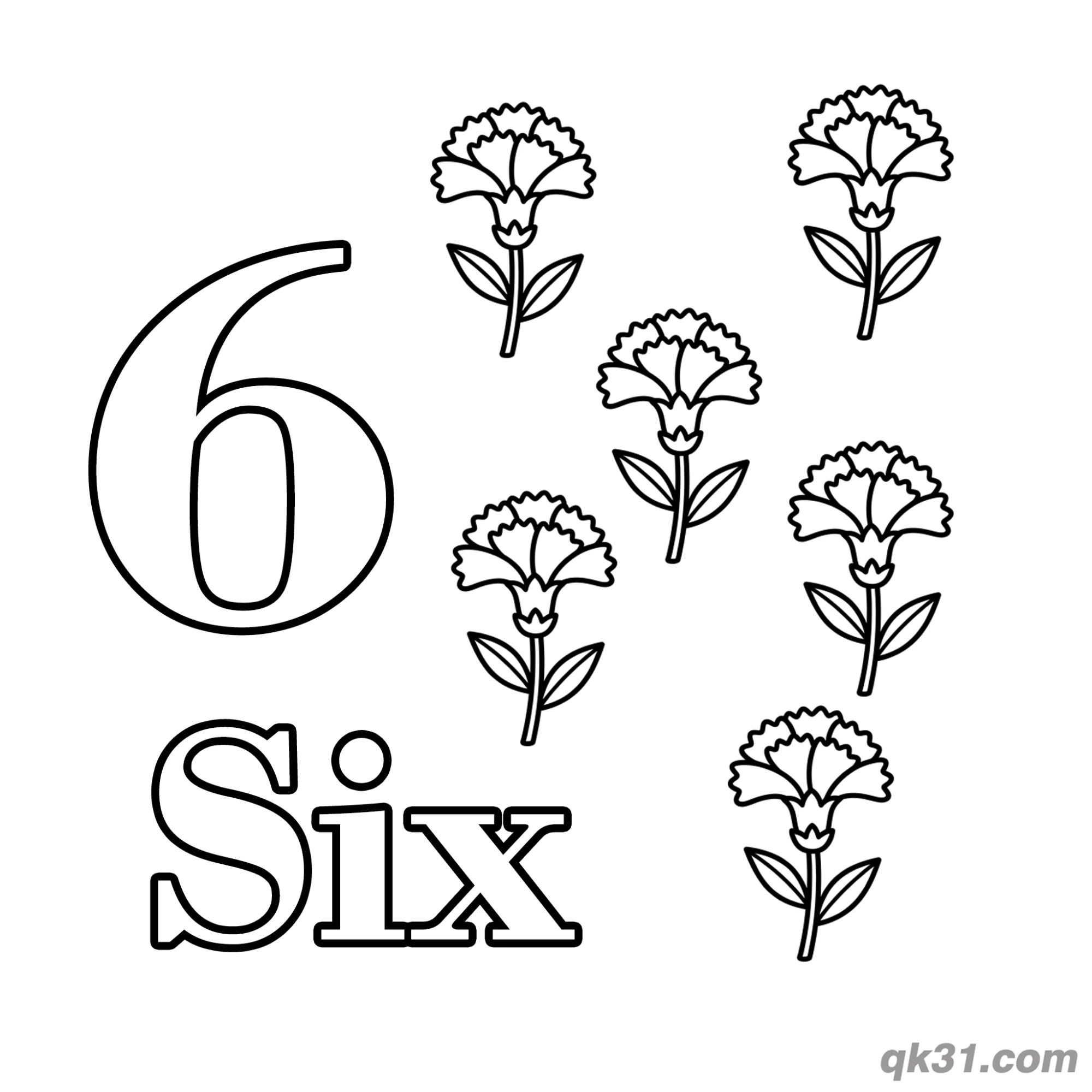
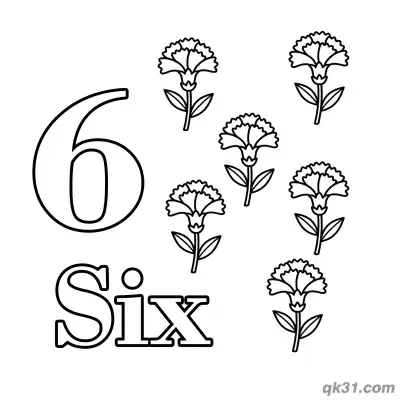
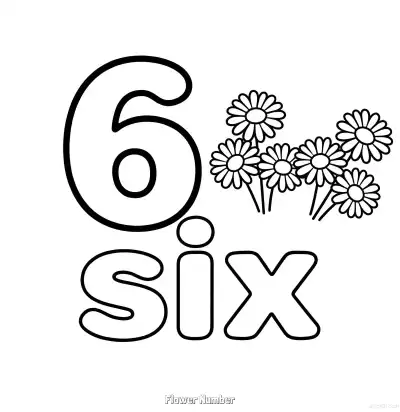
Number 6 – Six Beautiful Carnations 💐
Six carnations fill the page with ruffled petals and a slightly more detailed look. Carnations are a wonderful flower for children who are ready for a bit more texture in their coloring. They can experiment with light pinks, deep reds, and even fancy two-tone effects. Counting six flowers also builds toward a bigger mathematical milestone—halfway to twelve!
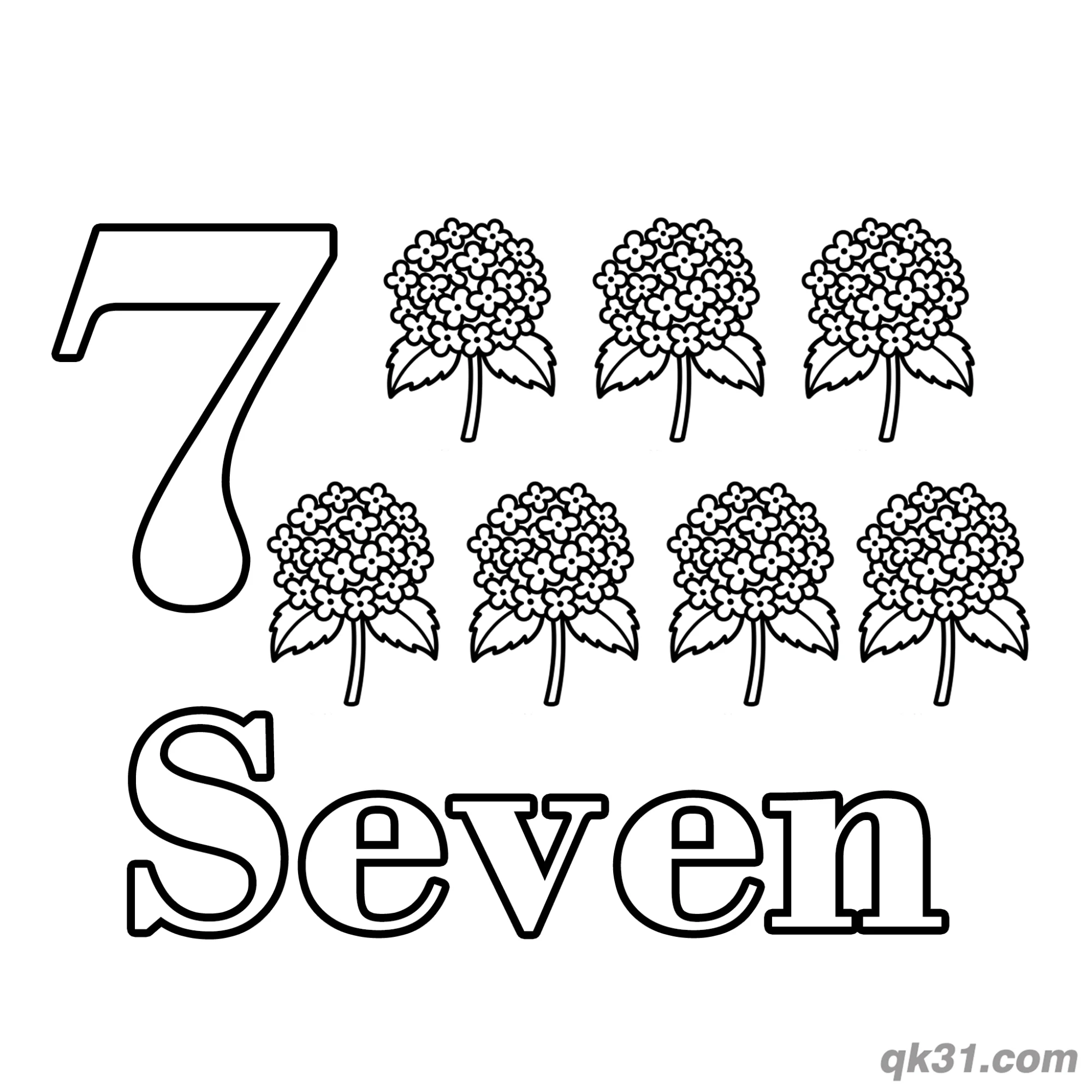
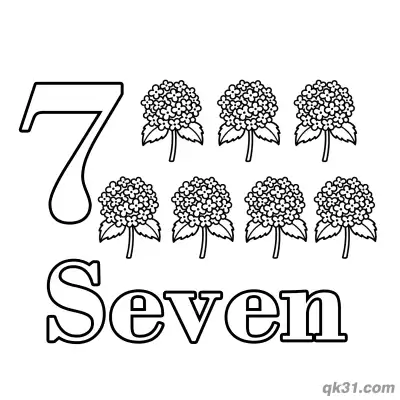
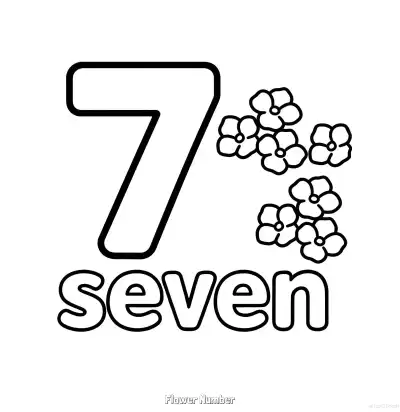
Number 7 – Seven Lovely Hydrangeas 🌺
Seven hydrangea clusters bloom in soft, round puffs. Hydrangeas are fascinating because each “flower” is actually a bunch of tiny blossoms. This can spark a lovely side conversation with curious kids about how some flowers are made of many smaller parts. Seven is also a number that often needs extra practice, and the gentle beauty of hydrangeas makes that practice feel like a treat.
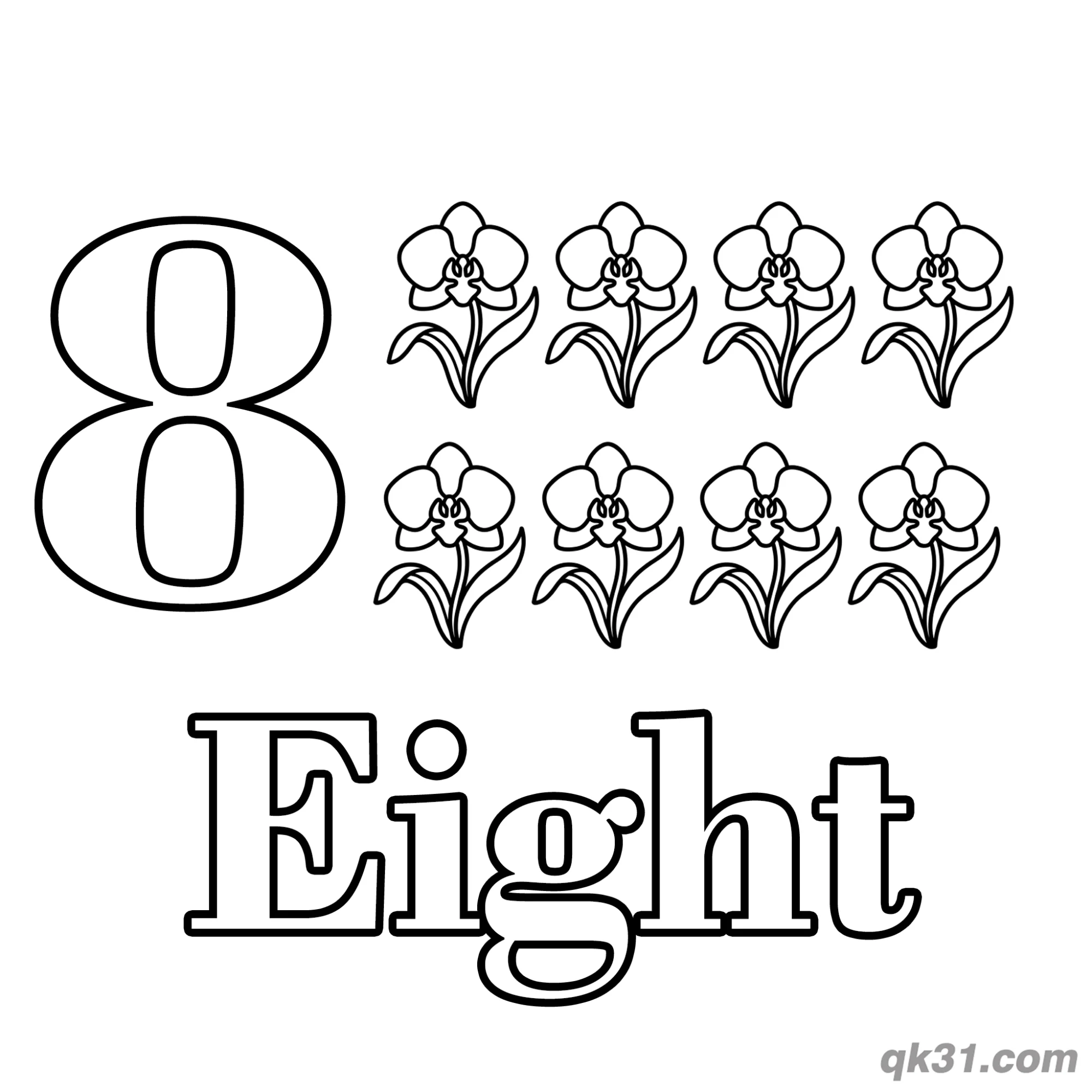
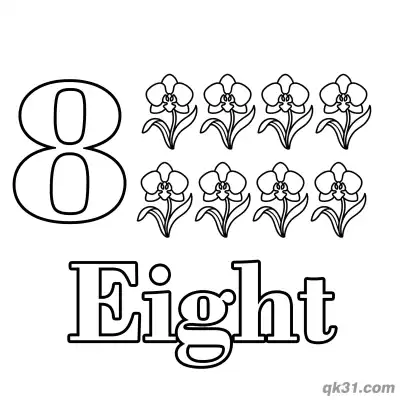
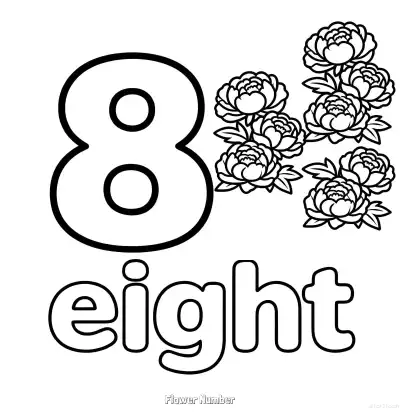
Number 8 – Eight Elegant Orchids 🌸
Eight orchids stand gracefully, their unique shapes offering something a little different from the rounder flowers. Orchids come in stunning purples, whites, and magentas, and children can play with shading the delicate petals. The quantity eight feels abundant and impressive, and completing this page gives a real sense of accomplishment.
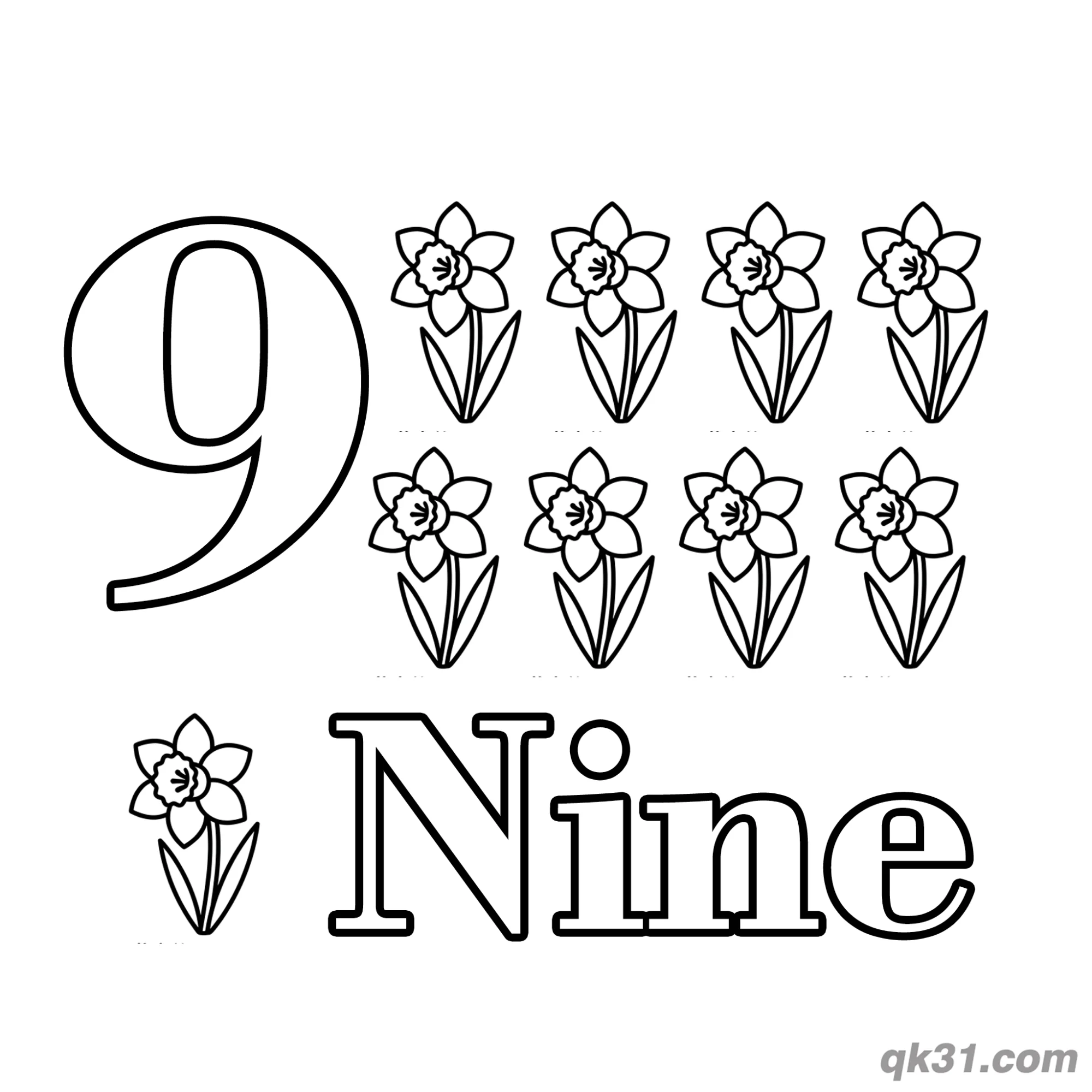
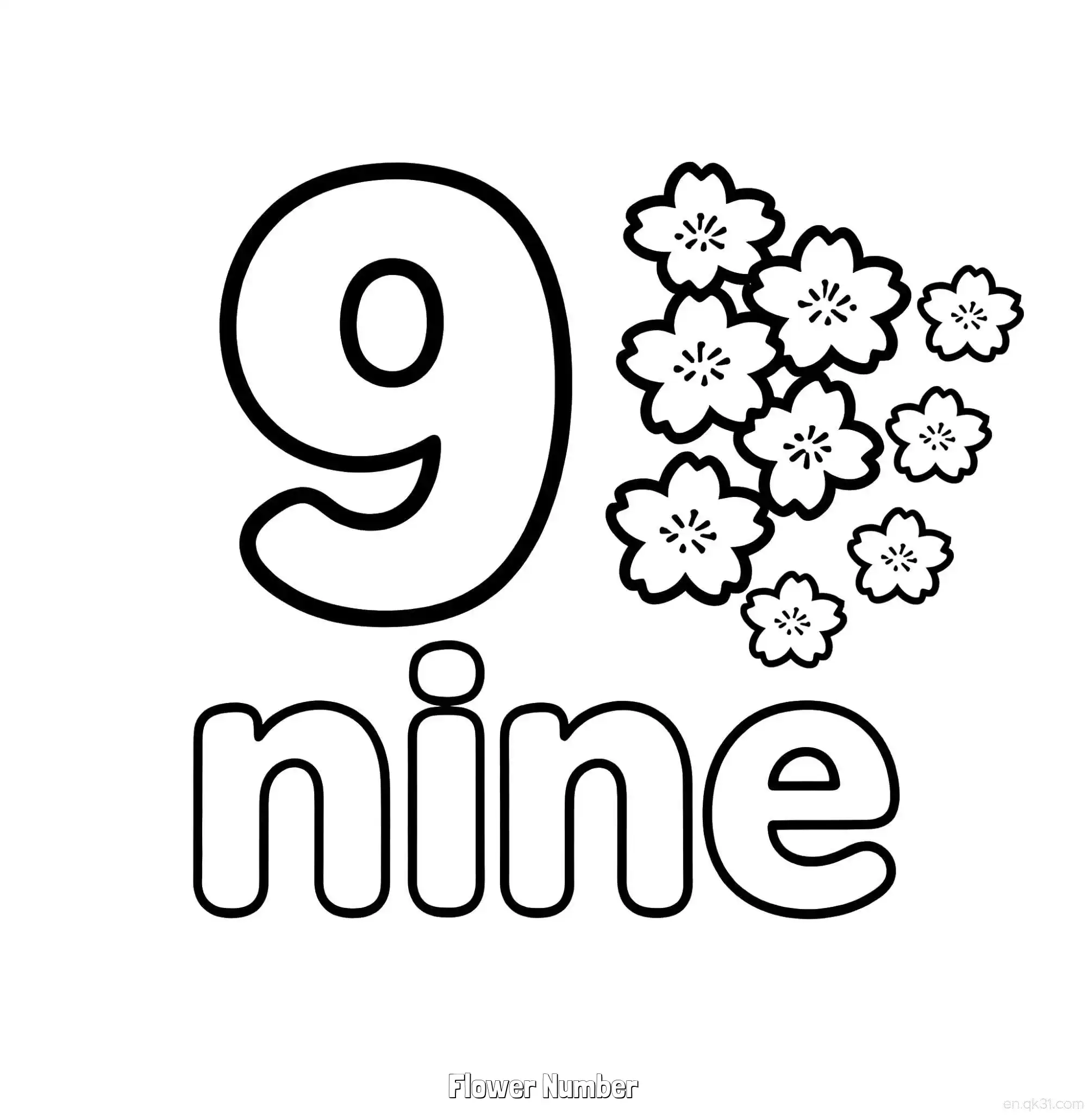
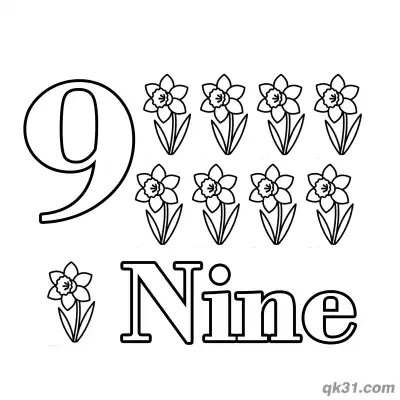
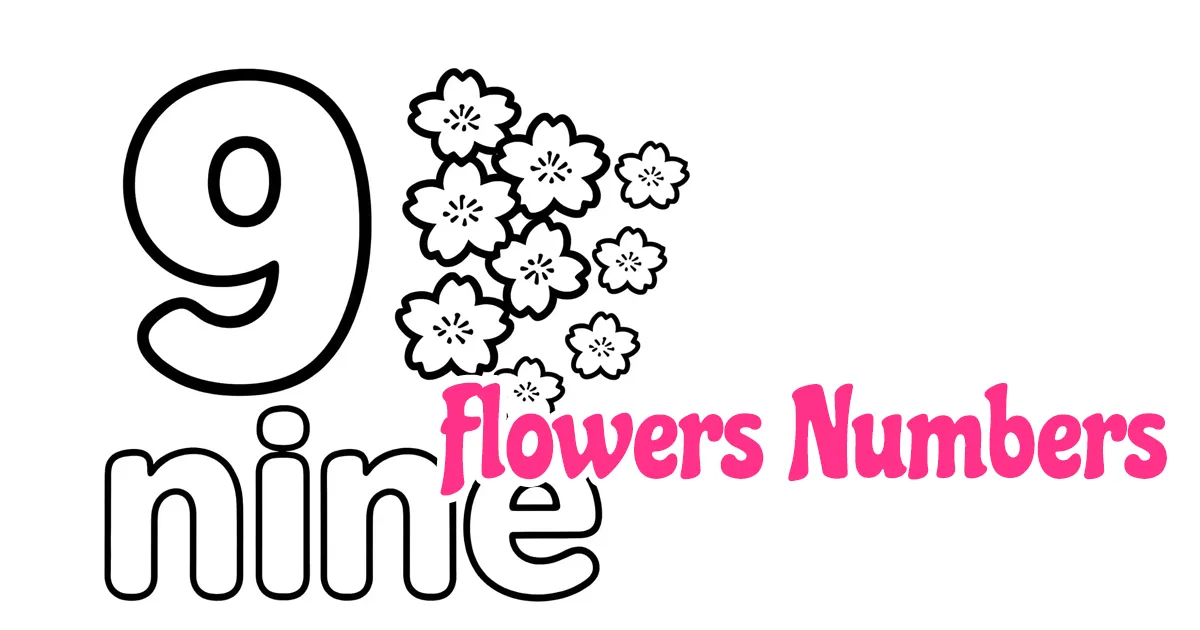
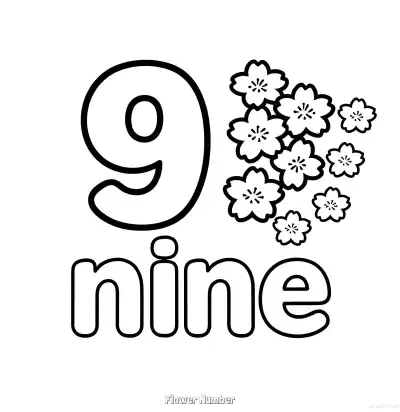
Number 9 – Nine Yellow Daffodils 🌼
Nine bright daffodils trumpet springtime across the page. Daffodils are often one of the first flowers children learn to name, thanks to their cheerful yellow color and distinctive shape. Coloring nine of them is a joyful challenge—perfect for a spring morning or a lesson on seasons. The word “nine” beside the numeral 9 helps connect written language to the visual count.
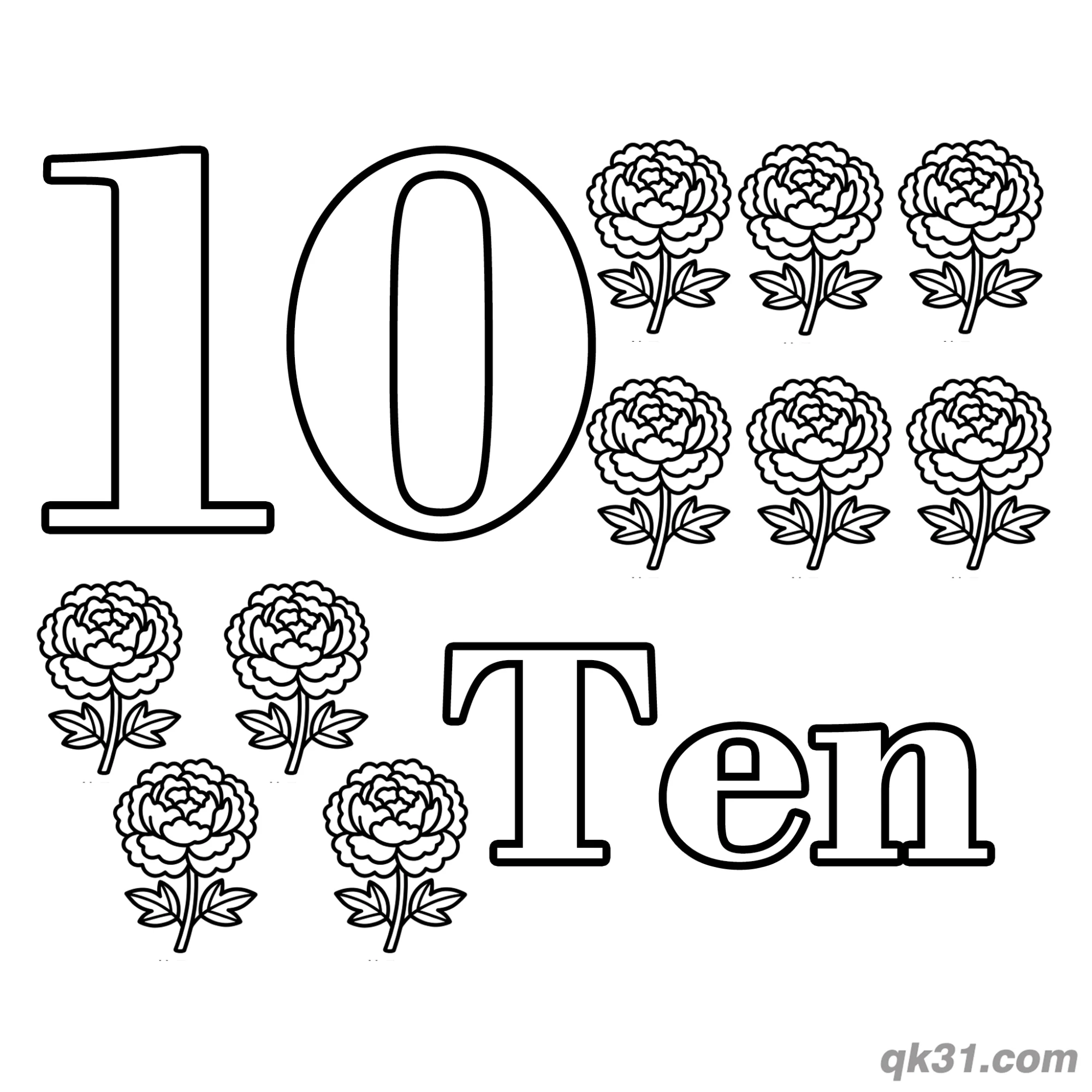
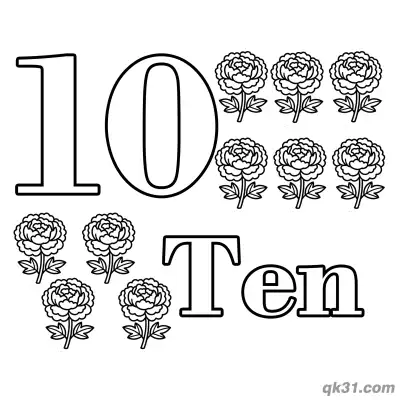
Number 10 – Ten Blooming Peonies 🌺
The grand finale explodes with ten lush peonies, their full, rounded blooms a celebration of reaching double digits. Peonies feel like a reward: their layered petals give children a chance to use many shades of pink, coral, or cream. Coloring ten flowers is a significant task, but because peonies are so lovely, the effort feels joyful. Finishing this page is a moment to celebrate—your child has just counted all the way to ten with a garden of flowers! 🎉
These preschool flower number coloring pages are designed so that every child, regardless of skill level, can feel successful. The numbers are large enough for chunky crayons, the flowers are recognizable and inviting, and the one-to-one correspondence between numeral and bloom is always crystal clear. Print them in any order that matches your child’s mood or your lesson plan.
🎨 Tips for Bringing Flower Number Pages to Life
A few simple tricks can turn these coloring sheets into an even richer learning experience.
Talk about flower colors and names: As your child colors, say the flower name together—rose, sunflower, tulip. Ask what color they chose and why. This builds vocabulary and observation skills alongside math.
Count out loud in different voices: Try counting the daisies in a whisper, the hydrangeas in a silly deep voice, the peonies while hopping. Movement and playfulness lock the numbers into memory.
Create a flower number wall: Display finished pages in order from 1 to 10. A number garden on the wall is a beautiful daily reference and makes children beam with pride.
Pair with real flowers: If you have a garden or can pick up a small bouquet, count real flowers alongside the colored ones. This connects the page to the living world.
Use mixed materials: Crayons are wonderful, but adding dot markers for flower centers, tissue paper for petals, or a watercolor wash over the background can turn these into mini art projects.
These sheets are free for personal, classroom, and non-commercial educational use. Print them once or a hundred times. They’re here to support your child’s learning journey in the most gentle, colorful way. 🌈
🧠 Why Flower Counting Coloring Pages Nurture Young Minds
There’s a lot of quiet brain-building happening when a child colors a numbered flower page. Holding a crayon and carefully filling a tulip strengthens the small hand muscles that will later write letters and numbers. Scanning the page to find all nine daffodils sharpens visual tracking. Saying “one, two, three” while pointing builds the one-to-one correspondence that underpins all future arithmetic.
On an emotional level, flowers have a proven calming effect. Studies show that images of nature, including flowers, can reduce stress and improve focus in children. A child who feels peaceful and happy is far more open to learning than one who feels pressured. These kindergarten flower math coloring pages create exactly that kind of safe, joyful atmosphere. And because every completed page is beautiful enough to display, children internalize the message: “I did this, and it’s wonderful.” That confidence carries over into every other area of early learning. 🌸🧠
❓ Frequently Asked Questions
1. What age group are these flower number coloring pages designed for?
These pages are ideal for toddlers, preschoolers, and kindergarteners, generally ages 2 to 6. Younger children can enjoy coloring the large flowers and tracing the numbers with help, while older children can independently count, read the number words, and even write the numbers on their own.
2. Are these flower counting coloring sheets really free to print?
Yes, completely free! These printable flower number coloring pages are shared as a resource for families, teachers, and caregivers. You can download and print them as many times as you like for personal, classroom, or library use. No subscription required.
3. What flowers are included in the 1-10 set?
The collection features one red rose, two sunflowers, three tulips, four lilies, five daisies, six carnations, seven hydrangeas, eight orchids, nine daffodils, and ten peonies. This variety introduces children to different flower shapes, names, and colors while practicing counting. 🌹🌻🌷🌸🌼💐🌺
4. How do these pages help with number recognition?
Each page displays a large numeral and the written number word, right beside the matching count of flowers. This triple reinforcement—symbol, word, and quantity—helps children build strong mental connections. Even kids who can recite numbers benefit from seeing and coloring them, which lays the groundwork for reading and writing numerals.
5. Can these coloring pages be used in a classroom setting?
Absolutely. Teachers love using these sheets in math centers, morning tubs, calm-down corners, and take-home packets. They align well with early childhood math standards for counting and cardinality, and they’re easy to integrate into spring themes, garden units, or nature study weeks. 🏫🌿
6. Do you have similar coloring pages for numbers beyond 10?
This collection focuses on 1-10 as the essential foundation. Once your child is confident, you can look for extension pages covering numbers 11-20, simple addition with flowers, or free kindergarten counting worksheets on the same website. The floral theme makes it easy to build a whole learning series!
A Garden of Numbers Is Waiting for You 🖍️🌺
From one velvety red rose to ten magnificent peonies, this collection of numbers 1-10 flowers and counting coloring pages turns early math into a gentle, blooming adventure. Every stroke of a crayon brings a flower to life. Every counted petal strengthens a growing mind. And every finished page, proudly held up with sticky fingers and a big smile, is proof that learning doesn’t have to be loud or stressful. It can smell like lilies, glow like sunflowers, and feel as sweet as a garden in spring. So print your favorites, breathe in the imaginary floral fragrance, and let the counting—and the coloring—begin! 🌷🔢💖